


We’re in the process of building the world’s most powerful history curriculum — one that opens kids’ eyes to the world, and helps supercharge everything they learn with meaning. It took a whole month, but I’ve now published the three posts outlining the blueprint of our K–12 history curriculum in elementary, middle, and high school.
Now comes the harder easier harder fun part: finding the stories.
Our goal is as simple as it is grandiose:
identify (roughly) 100 history stories that can carry the meaning of the entire human past
Imaginary Interlocutor: That’s so megalomaniacal that I fret for the soul of anyone who even imagines they’re up to the task.
Agreed! Yet it has to be done. (Every single history curriculum in existence has to go through the same step.)
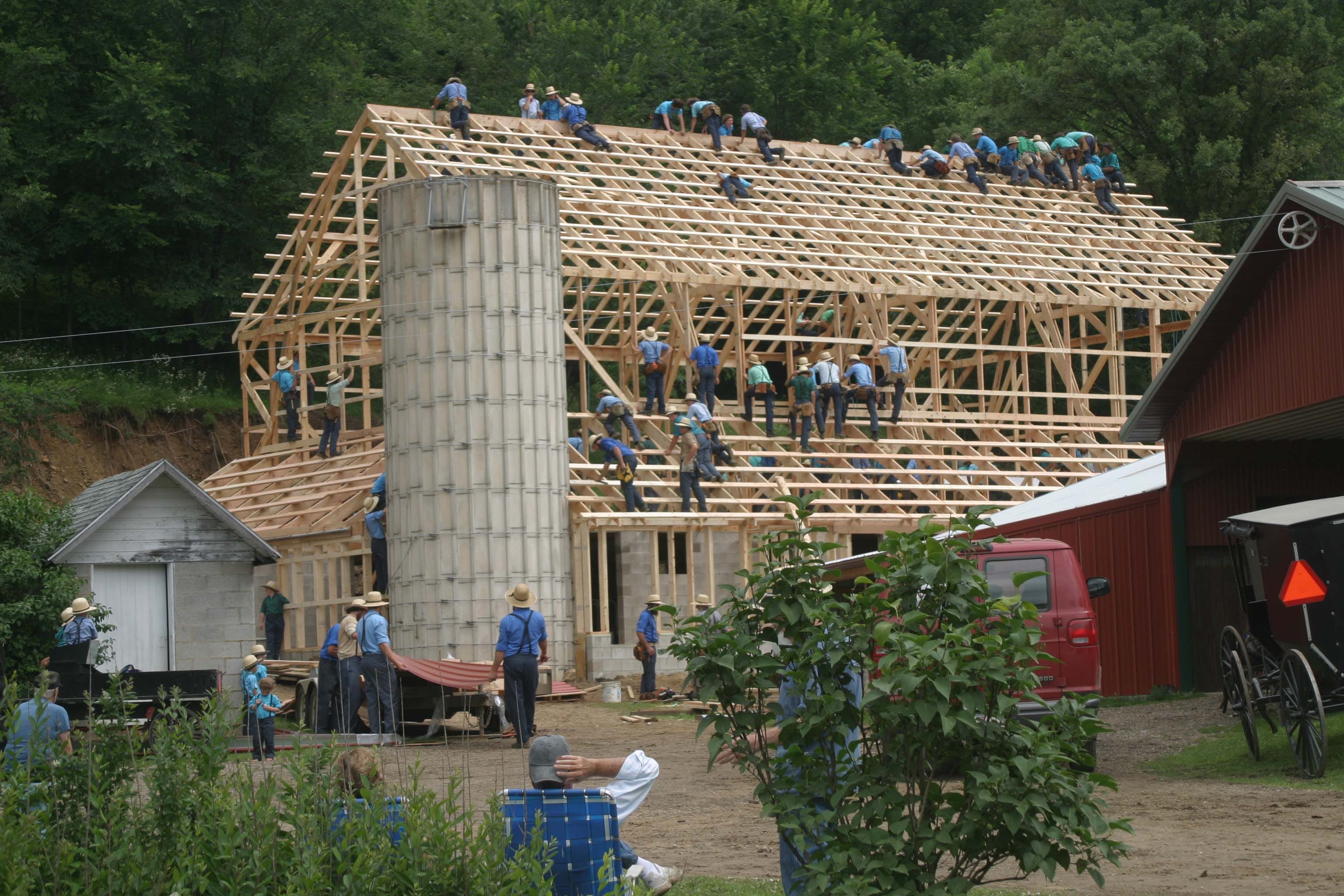
And this is where you, delightful reader, come in. See this as an old-fashioned barn-raising: if a community (of parents, teachers, history buffs, and lovers of things that matter) comes together, we can make this good.
Which is all to say: we’d like your recommendations for great history stories.
What Makes a History Story “Great”?
The stories we’re looking for aren’t just fun facts — they should be the kind of stories that can grow with a person over time.
Specifically, they should pack a MYTHIC (🧙♂️), ROMANTIC (🦹♂️), and PHILOSOPHIC (👩🔬) punch. In elementary school, a story should center on a person in a vivid situation — danger, discovery, courage, foolishness, wonder — that a kid can picture clearly. In middle school, that same story should open onto competing ideals and complex decisions. And in high school, the story should deepen again, revealing larger historical forces — economics, ideas, technologies, cultures, and systems that shaped the world.
The best history stories — the ones that we’re hunting! — work at all three levels.
Nominate a Story
If you’re willing, set a timer for sixty seconds. If a history story comes to mind, suggest it in the comments.
It’ll help us if you can use this format:
1. Story/person:
2. Year:
3. What basically happens (in your memory):
4. Why you love it:
If you’d like to include anything else, go for it! If you follow that format, feel free to submit as many recommendations as you’d like.
I.I.: Any particular time that the stories should be from?
Our memory palace will cover everything from the Big Bang to the future, so any time or place at all.
I.I.: Are these guaranteed to be used?
We can’t guarantee that we’ll use them in our official version of this curriculum, but even if we don’t, others who are reading this and making their own versions1 might.
Ask Me Anything (history edition)
Finally — what would you like to ask about teaching/learning history? (Of all the academic subjects I’ll be writing about, I might have the most experience in history — I have hot takes!) Ask away.
And once again I point out that these posts carry a “CC BY 4.0” copyright, which gives everyone in the permission to steal these ideas and make money off of them.
1. Story/person: Martin Luther
2. Year: 1517 (the year of the 95 Theses) though things happen before and after.
3. What basically happens (in your memory): A Roman Catholic Monk/Priest had issues with the church, wrote and talked about it, and started the Reformation. He tried to change things from within, but ultimately it led to the Protestant division of Christianity. He wasn't the first person to want to reform the church, but he was the most impactful, largely because the timing was right - he had political support, he had the printing press, people were itching to push back against the church.
4. Why you love it: Besides the simple historical and theoretical context, Luther's life is full of interesting and exciting moments. He was meant to become a lawyer, but was almost struck by lightning and supposedly called out, "Help me Saint Anne, I will become a monk!" The indulgences he opposed involved funding St. Peter's Basilica in the Vatican. After nailing the 95 Theses to the Church door and being threatened with excommunication, he was taken to the memorably named Diet of Worms, where he refused to recant his beliefs. Afterwards, his supporters essentially fake kidnapped him and he hid out in a castle and translated the New Testament into German, a translation that greatly influences the modern German language. He helped some nuns escape from their convent in herring barrels, and then married one of them!
I was raised Lutheran, so I learned all of this every year in a growing sort of way - the fun basics in first grade, then more details every year, including nuances about Luther's antisemitism and how mental illness and anxiety potentially impacted his theology. As well discussing how in many ways his views were used in ways he disavowed, or how he inspired other contemporaneous reformers.
I know my thoughts on him are influenced by my religious upbringing, but I think even from a secular perspective, there are so many interesting stories and discussions and perspectives that can come from his life!
I'm wondering how you plan to approach pre-historic events? I was thinking about people crossing the Bering strait or the Austronesian expansion and they seem really important but we don't have firm historical evidence on the individual level. (Or maybe something could be reconstructed using archaeological evidence, as in Jacobo's example?). Stories make a lot of sense for relating these events, but they'd have to be fictionalized.
I assume that since we're working on the level of mythic understanding at first we care more about stories with powerful themes that relate important events rather than making sure everything has perfect historical accuracy. Also, are we looking for non-human stories - like the formation of the earth or key points in evolution?